Aluminum alloy

Aluminum alloy is a commonly used material in metalworking, especially suited for CNC machining. It is lightweight, high-strength, and has excellent corrosion resistance, making it an ideal choice for industries such as aerospace, automotive, electronics, and consumer goods. Aluminum alloy excels in CNC machining, capable of being precisely machined into complex shapes and fine details. Its good thermal conductivity and machinability make it widely applicable in the manufacturing of high-precision parts and molds.
Aluminum alloy materials have a variety of characteristics. Due to these superior properties, aluminum alloys are extensively used in aerospace, automotive, construction, electronics, medical, and outdoor sports equipment industries, becoming one of the indispensable materials in modern industry.
- Lightweight
- High Strength
- Good Corrosion Resistance
- Excellent Thermal and Electrical Conductivity
- Machinability
- Recyclability
Click the pictures to explore how our products applicated in Aerospace, Optical Camera Housings, and AI Server Equipments.


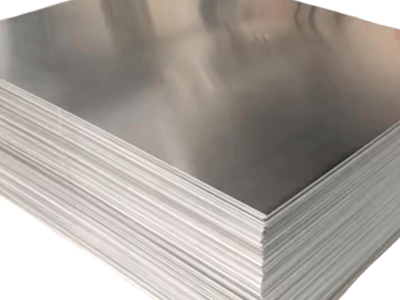
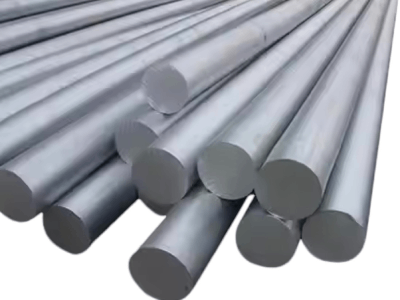


Specific applications of aluminum alloy materials across various industries and applications are as follows:
- Aerospace
- Medical
- Electronic
- Outdoor Sports
- Bike
- Transportation
- Hardware
- lectronic System Heat Sinks
These applications highlight the diversity and importance of aluminum alloy in various industries, and due to its lightweight, corrosion resistance, and ease of processing, aluminum alloy plays a key role in modern manufacturing.
Common specifications of aluminum alloys and their corresponding European Standards (EN):
1000 Series (EN AW-1050A)
- Common types: 1050, 1060, 1100
- Applications: general industrial applications, construction, food packaging, kitchen utensils, building materials, etc.
2000 Series (EN AW-2024)
- Common types: 2011, 2024, 2219
- Applications: Aerospace, automotive parts, sports equipment, etc.
3000 Series (EN AW-3003)
- Common types: 3003, 3105, 3004
- Applications: Food processing equipment, architectural decoration, automotive panels, etc.
5000 Series (EN AW-5052)
- Common types: 5052, 5083, 5754
- Applications: Marine structures, oil and gas pipelines, aircraft fuselage, etc.
6000 Series (EN AW-6061)
- Common types: 6061, 6063, 6082
- Applications: Construction, machinery, electronic casings, sports equipment, etc.
7000 Series (EN AW-7075)
- Common types: 7075, 7050, 7020
Applications: Aerospace, military applications, high-speed transport, etc.
Aluminum alloy materials can be applied in a variety of manufacturing processes, including:
These processes demonstrate the versatility and adaptability of aluminum alloy materials, capable of meeting the needs in various industries and applications, ranging from high-precision machine parts to large structural components.
After metalworking and CNC machining, aluminum alloys often undergo various surface treatment techniques to enhance their appearance, corrosion resistance, and functionality. Below are common surface treatment techniques and their application areas:
- Anodizing
- Electroplating
- Sanding or Polishing
- Painting or Powder Coating
- Chemical Treatment
- Polishing
These surface treatment techniques not only enhance the aesthetics and functionality of aluminum alloy products but also allow for the adjustment of surface properties based on specific application requirements, thereby extending their service life and enhancing market competitiveness.