
Aerospace Components


Your Trusted High-Precision CNC Aerospace Components Supplier
As a trusted CNC precision manufacturing supplier, we specialize in the manufacturing of complex, high-precision components using advanced 5-axis machining technology to deliver aerospace-grade components with exceptional accuracy and quality. Our expertise spans critical hardware across commercial aerospace, satellite, and industrial electronics applications.
For avionics and high-reliability electronic systems, we offer expertly crafted aluminum alloy components, including instrument panel brackets, heat sink modules, junction box enclosures, flight control housings, radar housings, and RF/microwave enclosures.
Extending our precision manufacturing capabilities to unmanned systems and industrial support equipment, we deliver high-rigidity UAV structural assemblies and Ground Control Station (GCS) operator enclosures built for demanding operational environments. Additionally, we manufacture cabin interior components, such as seat adjustment mechanisms and seatbelt mounts, ensuring strict compliance with mechanical specifications and reliable performance across all flight and commercial operations.
High-Precision CNC Machining for Aerospace Components
Aerospace metal fabrication represents the zenith of the manufacturing industry, demanding the utmost in precision (Precision), material science expertise (Material Science), and regulatory compliance (Compliance).
Why Machining Aerospace Components is So Difficult: The Challenge of Three Core Materials
Aerospace components must remain stable under extreme conditions, which places severe demands on the chosen materials and their fabrication processes. Our expertise is focused on mastering the following three critical materials:

The Intractability of Titanium Alloys: Heat and Stress Control
Titanium alloys are widely used in advanced engines and structural components due to their superior strength-to-weight ratio. However, their low thermal conductivity and high chemical reactivity make them prone to extreme localized temperatures during machining. This leads to rapid tool wear and potential residual stress within the part, directly affecting its long-term fatigue life. Managing these characteristics necessitates extremely precise cutting parameters, optimized tool pathing, and advanced cooling strategies.
Precision in Lightweight Structures: The Challenge of Thin-Walled Aluminum
Aerospace-grade aluminum alloys (e.g., AL7075-T6) are the preferred choice for structural weight reduction. The key challenge in machining these components lies in thin-walled geometries, which are highly susceptible to vibration and thermal deformation caused by cutting forces. We employ High-Speed Machining (HSM) strategies, specialized fixture designs, and precisely controlled clamping forces to guarantee tight dimensional tolerances, exceptional flatness, and flawless surface finishes on lightweight parts.
Extreme Strength and Durability: High-Strength Steel and Heat Treatment Integration
High-strength steels used in landing gear mechanisms, high-load actuators, and critical load-bearing assemblies demand extreme toughness and fatigue resistance. Machined components must be perfectly integrated with subsequent specialized processes, including vacuum heat treatment, plating, and surface hardening. Our expertise lies in controlling microstructural stress during multi-axis cutting to ensure full compatibility with post-machining heat treatments without compromising final performance.
Procurement Essential: Top Certifications and Compliance for Aerospace Components Suppliers
Verifiable Standards: Quality Management & Process Control
In the commercial aerospace and high-precision machinery sectors, long-term trust is built upon verifiable quality standards. We understand the stringent quality and regulatory compliance requirements expected by global procurement teams.
The Gate to the Global Supply Chain: AS9100D & ISO 9001 Certification
We maintain the international quality management system certification, AS9100D (which encompasses ISO 9001). This serves as the essential standard for supplying high-reliability components to global aerospace and commercial equipment supply chains. This certification validates that we adhere to strict process control standards across every stage—from material sourcing and process engineering to precision manufacturing, inspection, and customer service—ensuring total process stability, proactive risk management, and complete traceability.
Select the image below to view the application of aerospace components


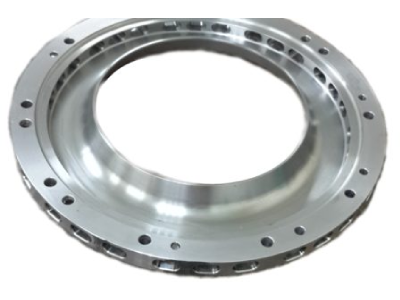
Engine Components :
- Accessory Gearbox Housing
- Drive Shaft Bushings & Bearing Housings
- Engine Mount Brackets & Fittings
- Hydraulic Valve Bodies & Manifold Blocks
- Fuel & Oil Pump Housings
- Fluid Line Connectors & Filter Housings
Airflow Guidance Systems:
- Cooling Air Deflectors
- Inlet Guide Vane Retaining Rings
- Compressor Stator Vane Seats
FADEC & Electronic Enclosures
- FADEC/EEC Enclosure Housings
- Pressure & Flow Sensor Housings
Structural Components (Aluminum Alloy):
- Aluminum Alloy Fuselage Frames
- Aluminum Alloy Wing Spars
- Aluminum Alloy Bulkheads
- Aluminum Alloy Stringers
- Aluminum Alloy Longerons
Landing Gear Components (Aluminum Alloy):
- Aluminum Alloy Shock Absorbers (Oleos)
- Aluminum Alloy Wheel Assemblies
- Aluminum Alloy Actuators
Avionics Components:
- Aluminum Alloy Instrument Panel Brackets
- Aluminum Alloy Heat Sink Modules
- Aluminum Alloy Electromagnetic Shielding Housings
- Aluminum Alloy Junction Box Enclosures
- Aluminum Alloy Flight Control Housings
- Aluminum Alloy Cable Clamp Assemblies
Cabin Interior Components:
- Aluminum Alloy Seat Frames
- Aluminum Alloy Overhead Compartment Support Brackets
- Aluminum Alloy Seat Tracks
- Aluminum Alloy Seat Adjustment Mechanisms
- Aluminum Alloy Seatbelt Mounts
Galley Components:
- Aluminum Alloy Catering Storage Racks
- Aluminum Alloy Trolley Structures
- Aluminum Alloy Galley Work Surface Supports
- Aluminum Alloy Microwave Oven Brackets
- Aluminum Alloy Food Container Support Structures
Aircraft Seats:
- Aluminum Alloy Seat Frames
- Aluminum Alloy Seat Suspension Modules
- Aluminum Alloy Armrests
- Aluminum Alloy Backrest Supports)
- Aluminum Alloy Tray Table Supports
Aircraft Meal Trays:
- Aluminum Alloy Meal Tray Frames
- Aluminum Alloy Tray Securing Clamps
- luminum Alloy Folding Tray Tables
- Aluminum Alloy Tray Support Modules
Others :
- UAV structures
- RF Enclousures
- Electronic Control Housings
- Lightweight Structural Components
- Aluminum Alloy
- Titanium Alloys
- Stainless Steel
- Nickel-Based Alloys
- Polycarbonate (PC)
- Polyethylene (PE) and Polypropylene (PP)
- Polystyrene (PS) and Expanded Polystyrene (EPS)
- Polyimide (PI)
- Carbon Fiber Composites
- Fiberglass Composites
The selection of materials for aerospace products depends on many factors, including performance requirements, weight limitations, environmental conditions, and cost considerations. Therefore, different products may use different combinations of materials to meet their specific needs.
- Casting
- Forging
- Machining
- 3D Printing (Additive Manufacturing)
- Composite Manufacturing
- Heat Treatment
- Aluminum Extrusion
- Silicone Rubber Molding
- Stamping
These processes play a crucial role in the manufacturing of aerospace products, meeting the demands for material performance, dimensional precision, and production efficiency. Their selection and application depend on the specific requirements of the product design and the manufacturing process.
1.Surface Cleaning and Pre-treatment:
- Remove surface dirt, grease, and residues to ensure the effectiveness of subsequent treatments.
- Use methods such as solvent cleaning, acid washing, and alkaline washing for surface pre-treatment.
2.Surface Polishing and Buffing:
- Reduce surface roughness to the desired level through mechanical or chemical methods.
- Improve appearance quality, reduce surface defects, and enhance corrosion resistance.
3.Oxidation Treatment:
- Treat metal surfaces to form an oxide layer, improving corrosion and wear resistance.
- Methods include anodizing and other oxidation treatments.
4.Metallization Treatment:
- Cover the metal surface with a layer of metal to enhance corrosion resistance and mechanical properties.
- Includes processes like galvanizing, nickel plating, and chrome plating.
5.Painting and Coating:
- Use coatings to protect the surface, enhancing corrosion resistance, wear resistance, and appearance quality.
- Includes methods such as painting, powder coating, and electrophoretic coating.
6.Hardening Treatment:
- Increase the hardness and strength of materials through heat treatment or other methods.
- Includes heat treatment processes like quenching and tempering.
7.Surface Modification:
- Change surface properties through chemical or physical methods to improve mechanical, chemical, or optical performance.
- Methods include surface deposition, sputtering, and others.
8.Pore Sealing and Sealing:
- Seal micro-pores and cracks on the surface to prevent corrosion and liquid penetration.
- Includes methods like fluorocarbon sealing.
The application of these surface treatment techniques depends on the material of the product, design requirements, and desired final performance. Choosing the appropriate surface treatment method can enhance the durability, reliability, and appearance quality of the product.


