Electroplating

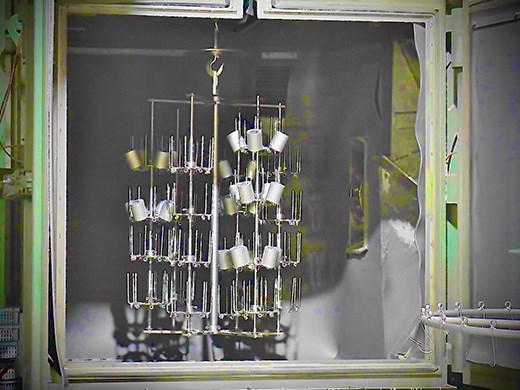
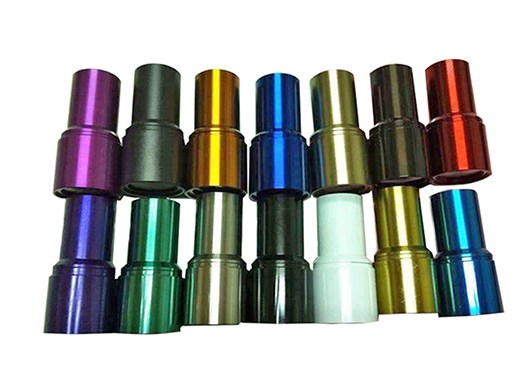
Electroplating is a surface treatment technology that deposits a layer of metal or alloy on the surface of an object through electrolysis. This electroplated layer can increase the object’s corrosion resistance, enhance hardness, improve aesthetics, and increase conductivity.
It is commonly used in fields such as automotive, electronics, decoration, and industrial components. The electroplating process includes cleaning, electrolytic bath, and electro-deposition, ensuring a uniform coating and high-quality surface finish.


Applications of electroplating across various industries
Electroplating surface treatment and its application on various materials:
- CNC Lathe
- CNC Milling Machine
- Forging
- Aluminum Extrusion
- Casting
- Stamping
- Plastic Injection
- Rubber EPDM, Silicon
- Wire Forming
Electroplating technology plays a crucial role in various manufacturing processes, enhancing the performance and appearance of parts to adapt to different usage environments and requirements.
Types of Chrome Plating:
1. Decorative Chrome Plating
- Applications: Enhances the appearance and corrosion resistance of objects, commonly used on automotive parts, home appliances, and furniture fittings.
2. Hard Chrome Plating
- Applications: Increases the wear resistance, corrosion resistance, and hardness of parts, suitable for industrial machinery components, bearings, hydraulic rods, etc.
3. Black Chrome Plating
- Applications: Provides an attractive black gloss and anti-reflective properties, used in optical equipment, camera accessories, and decorative items.
4. Satin Chrome Plating
- Applications: Offers a soft satin finish and corrosion resistance, suitable for bathroom accessories, lighting fixtures, and furniture.
5. Micro-Cracked Chrome Plating
- Applications: Features a surface with micro-cracks that enhance wear resistance and adhesion, used in high-performance industrial parts.
6. Micro-Porous Chrome Plating
- Applications: The surface has tiny pores that help retain lubricants, suitable for parts in high-friction environments, such as automotive engine components.
Each chrome plating technique has its specific range of applications and advantages. Choosing the appropriate type of chrome plating can significantly enhance the performance and lifespan of the parts.
Types of Galvanizing:
1. Hot-Dip Galvanizing
- Applications: Steel is dipped into molten zinc to form a thick, uniform layer. Provides excellent corrosion resistance, suitable for outdoor structures like bridges and power poles.
2. Electro-Galvanizing
- Applications: Deposits a thin layer of zinc on steel surfaces via electrolysis. The surface is smooth, suitable for automotive parts, home appliances, and electronic products.
3. Mechanical Plating
Applications: Uses mechanical energy to attach zinc powder to the steel surface. Suitable for small, complex-shaped parts like screws and nuts.
4. Cold Galvanizing
- Applications: Uses zinc paint to form a protective layer on the steel surface. Simple to operate, mainly used for repairs or smaller-scale protection.
5. Alloy Galvanizing
- Applications: A zinc alloy with other metals like aluminum and nickel, providing higher corrosion resistance and hardness. Suitable for specific industrial uses, such as equipment in marine environments.
6. Galvalume
- Applications: An alloy coating of zinc and aluminum, offers excellent corrosion resistance and heat resistance, commonly used for roofing and exterior wall coverings.
Each galvanizing technique has specific advantages and application scopes. Choosing the right galvanizing method according to different needs and environments can effectively prolong the life of steel materials.