Electrophoretic deposition
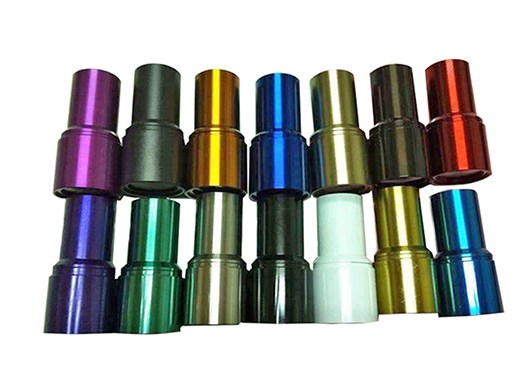
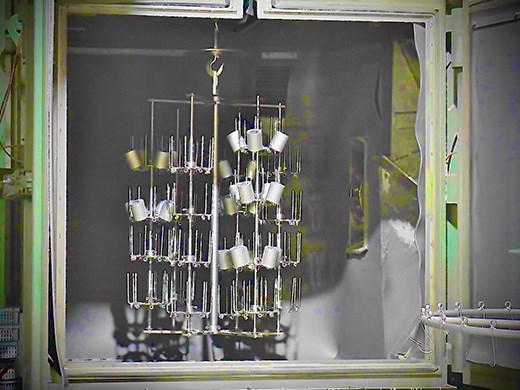
EDP coating (Electrophoretic deposition) is an important surface treatment technique in manufacturing, primarily used for protecting and beautifying products. It includes technologies such as spray painting, electrophoretic painting, and powder coating, which effectively enhance the product’s corrosion resistance, wear resistance, and aesthetics. The Electrophoretic deposition process typically involves steps such as pretreatment, painting, drying, and inspection. The pretreatment stage primarily involves removing oil and oxide layers from the surface of the workpiece to ensure the adhesion of the coating. This is followed by the painting operation, and finally, the coating is cured through drying. EDP coating technology is widely applied in industries such as automotive, home appliances, construction, and machinery equipment, and is a crucial means to improve product quality and market competitiveness.
Applications of Electrophoretic deposition across various industries:
The application of electrophoretic painting technology on different materials can significantly enhance the performance and appearance of products, meeting various industrial needs.
Types and applications ofElectrophoretic deposition surface treatments:
1. Spray Painting
- Liquid Spray Painting: Commonly used on surfaces of automobiles, home appliances, and machinery equipment, offering a variety of colors and gloss effects.
- Powder Coating: Suitable for metal surfaces, providing excellent corrosion resistance and durability, often used for outdoor equipment, furniture, and machinery parts.
2. Electrophoretic Painting
- Anodic Electrophoresis: Used on aluminum profiles, mainly applied in building materials and automotive components, offering uniform coatings and excellent corrosion resistance.
- Cathodic Electrophoresis: Suitable for steel surfaces, widely used in automobiles, home appliances, and electronic product casings, providing excellent rust prevention.
3. Dip Coating
- Applications: Mainly used for small metal parts and complex structures, such as screws and nuts, providing comprehensive protective coatings.
4. Electrostatic Spraying
- Applications: Suitable for large and complex-shaped workpieces, such as appliance housings, office furniture, and machinery equipment, with strong adhesion and uniformity of the coating.