Anodizing

What is anodized metal products?
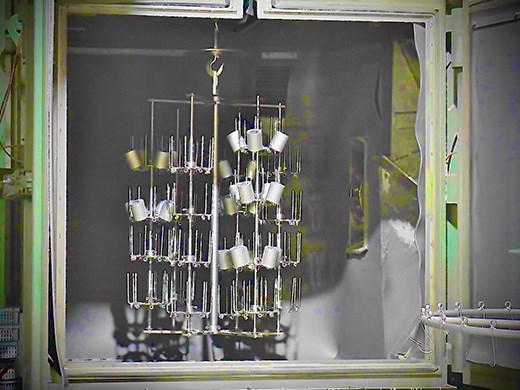
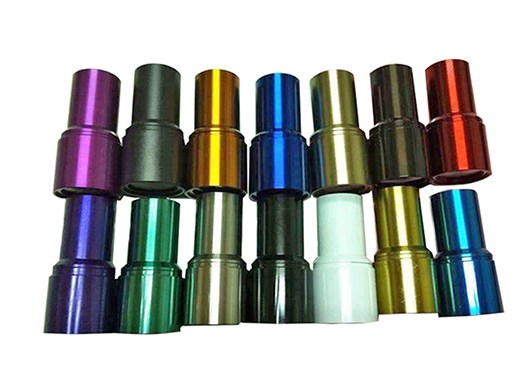
Anodizing is an electrochemical process used to create an oxide protective layer on the surface of metals. This technique is primarily applied to aluminum and its alloys, significantly enhancing their corrosion resistance, abrasion resistance, and surface hardness. During the process, the metal parts are immersed in an acidic electrolyte solution and function as the anode, forming an oxide layer on the surface. This oxide layer not only protects the metal but also enhances its appearance and can be dyed to obtain various colors.
The application range of anodized metal products is extensive, covering multiple industries. This treatment technology not only enhances the corrosion resistance and wear resistance of metals but also improves their aesthetic appeal, making it suitable for various consumer goods and industrial products.
We specialize in providing a diverse range of anodizing services for aluminum products and possessing for other customized anodized metal products. Whether it’s aluminum or other metals, we are committed to ensuring that our products excel in both aesthetics and durability, meeting the diverse needs of our customers.


CNC lathe machining is widely used in the following industries:
Anodizing enhances the performance and lifespan of products by providing a protective oxide film. Additionally, it allows for coloring as needed, increasing their market appeal.
Anodizing industrial processes and their applications:
Types of Anodic Surface Treatment Technologies and Their Relevance to Industries and Processes
1. Type II Anodizing
Feature:
- Provides basic corrosion resistance and wear resistance.
- Surface can be dyed.
Application Industries:
- Electronic Components: For protection and aesthetic enhancement.
- Consumer Electronics: Such as mobile phone cases, laptop cases.
- Outdoor Sports Equipment: Such as bicycle components.
- Hardware Supplies: Such as tools and locks.
- Transportation Components: Automobile parts.
2. Type III Anodizing
Feature:
- Produces a thicker, harder oxide layer.
- Suitable for parts requiring high wear resistance and high corrosion resistance.
Application Industries:
- Aerospace: Aircraft components.
- Medical Components: High-strength medical devices.
- Transportation Components: High-strength automotive parts.
- Bicycle Related Components: Such as frames and gears.
- Outdoor Sports Equipment: Such as climbing gear.
3. Sulfuric Acid Anodizing
Feature:
- Uses sulfuric acid as the electrolyte.
- Provides good corrosion resistance and dyeability.
Application Industries:
- Electronic Components: Such as heat sinks.
- Consumer Electronics: Consumer electronics casings.
- Transportation Components: Automobile and train parts.
- Outdoor Sports Equipment: Camping gear and bicycle components.
- Hardware Supplies: Hardware tools and accessories.
4. Phosphoric Acid Anodizing
Feature:
- Primarily used for surface preparation.
- Provides good adhesion properties.
Application Industries:
- Electronic Components: Parts that require adhesive bonding.
- Medical Components: Adhesive bonding of medical device parts.
- Aerospace: Aircraft parts that require high-strength adhesive bonding.
5. Chromic Acid Anodizing
Feature:
- Produces a thinner oxide layer.
- Offers excellent corrosion resistance.
Application Industries:
- Aerospace: Aircraft and spacecraft components.
- Military Applications: Military equipment and components.
- Medical Components: Instruments requiring high corrosion resistance.
6. Colored Anodizing
Feature:
- Dyeing is performed after standard anodizing.
- Provides a decorative surface in various colors.
Application Industries:
- Electronic Components: Decorative casings.
- Consumer Electronics: Electronic products with colorful appearances.
- Construction: Architectural decorations.
- Transportation Components: Interior and exterior automotive decorations.
- Outdoor Sports Equipment: Bicycles and climbing gear.
7. Sealing
Feature:
- Sealing is performed after anodizing.
- Further enhances corrosion resistance, prevents fading of the dye layer, and protects the oxide layer from contamination.
Application Industries:
- Electronic Components: Decorative casings.
- Consumer Electronics: Electronic products with colorful appearances.
- Construction: Architectural decorations.
- Transportation Components: Interior and exterior automotive decorations.
- Outdoor Sports Equipment: Bicycles and climbing gear.
Through these anodizing techniques, products in various processes can achieve better surface properties to meet the needs of different application scenarios.