Laser engraving
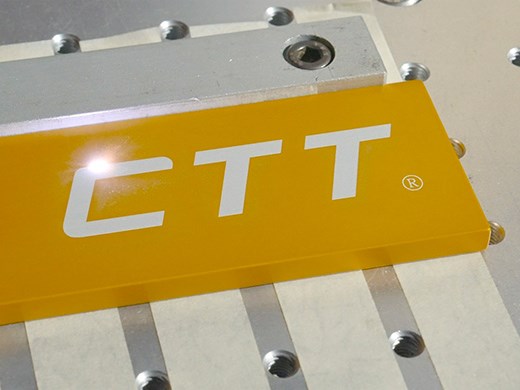
Laser marking, is a technique that utilizes a high-energy density laser beam to process materials on their surfaces. This technology focuses the laser beam, converting it into thermal energy, which instantly melts or vaporizes the material’s surface to form engraved patterns. Laser inscription is widely applied to various materials such as metals, plastics, wood, and glass, and offers advantages like high precision, high speed, and permanent marking. It plays a significant role in industrial manufacturing, artistic creation, and personalized customization, such as producing logos, barcodes, serial numbers, patterns, and text, enhancing both the aesthetic and functional aspects of products.

Introduction to the application across various industries:
Applications of laser inscription on different materials:
Applications in various manufacturing processes:
Laser inscription technology comes in several different types, mainly depending on the type of laser used and the method of application. Below are some common types:
1. Fiber Laser Engraving
- Characteristics: Utilizes a fiber laser source, suitable for engraving on metals (such as stainless steel and aluminum alloys) and hard materials.
- Applications: Widely used in industrial labeling, electronic components, and tool markings.
2. CO2 Laser Engraving
- Characteristics: Uses a CO2 laser source, suitable for non-metal materials (such as plastics, wood, and paper).
- Applications: Commonly used for crafts, custom gifts, and wood engraving.
3. UV Laser Engraving
- Characteristics: Uses a UV laser source, offers high precision and resolution, suitable for fine patterns and text engraving.
- Applications: Suitable for electronic components, medical devices, optical lenses, and other high-requirement applications.
4. Semiconductor Laser Inscription
- Characteristics: Utilizes a semiconductor laser source, suitable for engraving on metals and plastic materials, providing high-contrast markings.
- Applications: Commonly seen in industrial labeling and tool markings.
5. Dual Beam Laser Inscription
- Characteristics: Uses two laser beams for engraving, capable of handling multiple locations simultaneously or increasing engraving speed.
- Applications: Suitable for applications requiring high efficiency and precision, such as mass production and high-precision machining.
6. High-Power Laser Inscription
- Characteristics: Utilizes a high-power laser source, capable of processing thick or high-density materials, providing deep engraving effects.
- Applications: Used for engraving large-sized parts or heavy materials, such as mechanical components and large device markings.
Each type of engraving technology has its unique advantages and applicable scopes. The choice of suitable engraving type can be determined based on the material, engraving requirements, and budget.