
CNC lathe machining
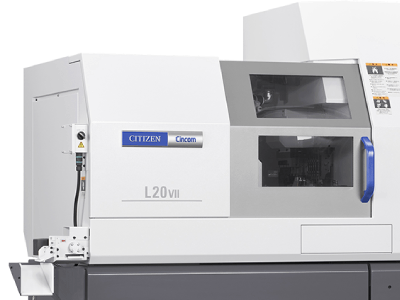
CNC lathe machining is a precision machining process that utilizes computer numerical control (CNC) technology. By controlling the lathe’s operation through a numerical control system, various rotationally symmetric machining tasks can be automated. This CNC lathe machining method can efficiently produce precision parts and is suitable for various materials, including metals, plastics, and alloys. Its advantages include high machining accuracy, good repeatability, and stable machining processes. CNC lathe machining can perform turning, boring, cutting, and other operations, and are widely used in automotive, aerospace, electronics, and machinery industries. Through CNC technology, the machining capabilities and flexibility of lathes are greatly enhanced, meeting the high demands for precision and efficiency in modern manufacturing.
As a precision machining supplier, we possess advanced CNC lathe technology that allows us to achieve an internal hole surface roughness of Ra 0.1 µm, making us the top choice for internal hole machining experts.
We are particularly skilled in the professional processing of SCM440 special steel, with extensive machining experience and technical capabilities to tackle various challenges.


CNC lathe machining is widely used in the following industries:
Materials commonly used in CNC lathe machining cover a wide range of metals and non-metals, each with specific machining characteristics and application areas. Below are some common materials and their applications:
- Aluminum Alloy
- Stainless Steel
- Titanium Alloy
- Carbon Steel
- Copper and Copper Alloys
- Plastics (such as PE, PVC, Nylon)
- Tool Steel
- Alloy Steel
CNC lathes come in various types, each with unique application characteristics.
Below are some common types of CNC lathes and their features:
- Standard CNC Lathe
Suitable for conventional turning operations, capable of handling various metals and plastic materials. It is appropriate for machining parts that do not require extremely high precision, such as simple circular or symmetrical components.
- Precision CNC Lathe
Specifically designed for machining parts that require extremely high precision and smooth surfaces, such as aerospace, medical, and high-end mechanical components. Features a high-resolution CNC system and a stable machining environment.
- Multi-Tasking CNC Lathe (Multi-Tasking Machine)
Combines multiple machining functions such as turning, milling, and drilling, suitable for processing complex parts. Allows for the completion of various operations on a single machine, enhancing machining efficiency and precision.
- CNC Turn-Mill Machine
Equipped with turning and milling capabilities, able to perform multi-angle and multi-directional machining. Suitable for manufacturing parts with complex geometric shapes, such as automotive and aerospace components.
- Multi-Axis CNC Lathe
Features multiple movable axes (typically 3-axis or 5-axis), allowing for higher precision and more complex machining. Suitable for processing parts with complex shapes, such as medical devices and precision components.
- CNC Bar Lathe
Designed specifically for the batch processing of bar-shaped materials, it can efficiently perform continuous processing of long items. Suitable for mass production of standardized parts, such as electronic components and hardware fittings.
- High-Speed CNC Lathe
Equipped with a high-speed spindle, it can enhance machining speed and surface smoothness. Suitable for parts that require fast processing, such as precision mechanical components and surgical instruments.
- Lathe Machining Center
Integrated with a CNC control system and various machining functions, such as turning, milling, and tapping, suitable for multi-process machining of complex parts. Widely used in manufacturing requirements that demand high precision and complexity.
Common surface treatment techniques used after CNC lathe machining can enhance the durability, appearance, and performance of parts. Here are some common surface treatment techniques:
- Anodizing
- Sandblasting
- Electroplating
- Galvanizing
- Heat Treatment
- Chemical Plating
- Coating Treatment
- Electropolishing
- Chemical Heat Treatment
These surface treatment techniques are selected based on the usage environment and performance requirements of the parts, significantly enhancing the performance and lifespan of machined parts.


