
Plastic
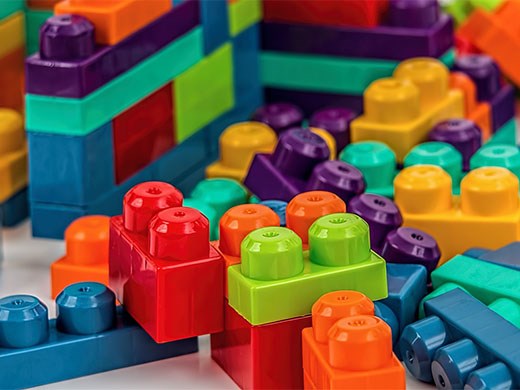
Plastic materials and metal processing are widely used across many industries. Commonly found in electronic products, automotive parts, and consumer products such as mobile phones, car interiors, and household appliances. Metal processing is used in the manufacture of high-precision products such as aerospace components, medical equipment, transportation parts, and bicycle components. The combination of these two, such as metal frames or plastic casings in 3C products, demonstrates their important role in enhancing product performance, strength, and durability. With advancements in technology and increasing application demands, plastic materials and metal processing will continue to play a crucial role in various industries.


Plastic materials are widely used across various industries, covering many key areas:
The application of plastic materials in these industries demonstrates their versatility and practicality, capable of meeting the modern manufacturing industry’s demands for lightweight, durability, and cost-effectiveness.
Plastic materials come in various grades, and different standards classify them differently. Below are some common types of plastic materials and their applications, classified according to European, American, and Japanese standards.
Application Introductions:
- PE (Polyethylene): Widely used in packaging materials, piping, containers and toys.
- PP (Polypropylene): Used in automotive parts, household appliance casings and food containers.
- PVC (Polyvinyl Chloride): Used in piping, building materials and insulation for electrical wires and cables.
- PS (Polystyrene): Used in packaging, containers and household appliance casings.
- PA (Polyamide, Nylon): Used for gears, bearings, and electronic components due to its excellent mechanical properties and wear resistance.
- ABS (Acrylonitrile Butadiene Styrene): Used in automotive parts, household appliance casings and toys.
- PC (Polycarbonate): Used for transparent parts, safety gear and optical lenses.
Applications of PC+ABS (Polycarbonate + Acrylonitrile Butadiene Styrene):
- Electronic Product Casings: Used for laptops, mobile phones, tablets, etc.
- Automotive Interior and Exterior Parts: Dashboards, interior components, casings, etc.
- Household Appliances: Casings and internal components of washing machines, refrigerators, and microwaves.
- Power Tools: Casings for electric tools.
- Medical Equipment: Casings and components of medical devices.
- Communication Equipment: Casings for routers and switches.
- Toys: High-quality, durable toys.
- Office Equipment: Casings for printers, copiers, and scanners.
Plastic product manufacturing involves various technologies and methods, primarily including the following:
- Extrusion
- Injection Molding
- Blow Molding
- Thermoforming
- Compression Molding
- Transfer Molding
- Rotational Molding
- 3D Printing
Each manufacturing technology has its unique applicable scenarios and advantages. Choosing the appropriate method based on product design requirements and manufacturing needs is crucial.
Common surface treatment technologies for plastic materials primarily enhance product aesthetics, durability, and functionality, and are used in automotive parts, home appliances, electronic products, and industrial equipment to meet aesthetic, protective, and functional requirements. In the plastic manufacturing industry, common surface treatments include:
- Painting
- Plating
- Printing
- Heat Transfer
- Brushing
- Polishing
- Sanding
- Coating
These surface treatment technologies can enhance the appearance, durability, functionality, and texture of plastic products. Choosing the appropriate treatment method based on the specific requirements and application scenarios of the product is very important.


