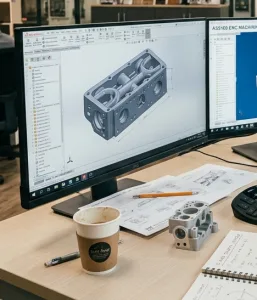
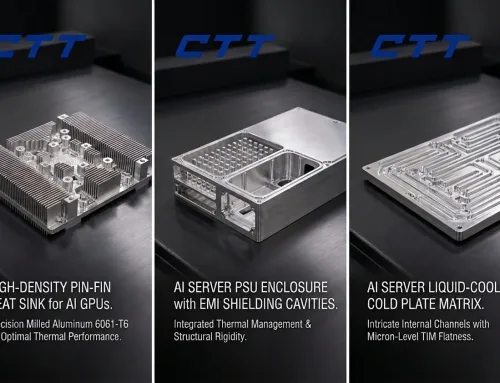
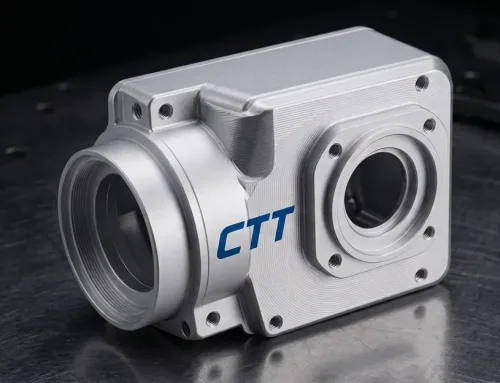
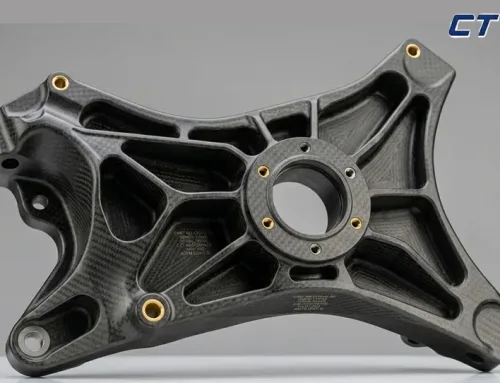
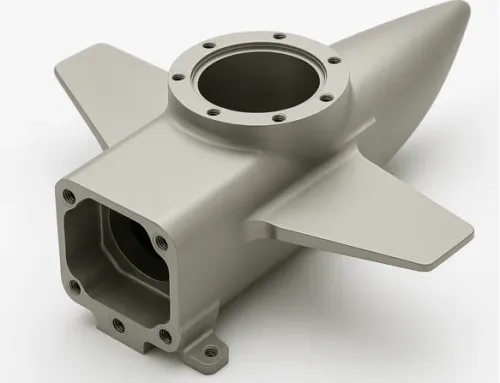
Designing machining parts for CNC production requires far more than simply creating a 3D model and sending it to a machine shop. To produce components that are cost-effective, precise, and reliable, engineers must carefully balance multiple considerations, including raw material selection, machining strategies, tolerance requirements, and part geometry. Poorly designed CNC machining parts may lead to high scrap rates, excessive tool wear, or unnecessarily expensive production. A well-thought-out design, on the other hand, ensures smooth machining, lower costs, and superior part performance.
This guide expands on the fundamental principles of CNC design and provides engineers and designers with practical advice to transition efficiently from concept to production.
Design Tip 1: Optimizing Cavity Ratios for Precision Machining Parts
Cavities are among the most common features in machining parts, but they are also a frequent source of inefficiencies.
- Depth-to-width ratio: Always aim for cavity depth that does not exceed four times the width. Shallow cavities allow end mills to remove material quickly, while deep narrow cavities cause deflection, chatter, and poor surface quality.
- Tool deflection: Long slender tools act like springs. As cutting forces increase, they bend, which results in tapered walls and reduced accuracy. In extreme cases, tools may break.
- Minimum cavity feature size: Avoid internal cavities smaller than 2.5 mm in diameter, as these require specialized small-diameter tools, which are fragile and prone to breakage.
If deep cavities are necessary for CNC machining parts, consider redesigning the part into multiple components that can be assembled, or use alternative processes such as EDM (Electrical Discharge Machining).
Design Tip 2: Maintaining Ideal Wall Thickness in Machining Parts
Thin walls are challenging to machine because they vibrate, deflect, or even fracture during cutting. Conversely, excessively thick walls may increase part weight and material cost unnecessarily.
- Recommended wall thickness:
- Aluminum: 0.5 mm
- Brass: 0.5 mm
- Stainless steel: 1.0 mm
- Plastics (ABS, Polycarbonate): 0.3 mm
- Composites (Carbon Fiber): 0.8 mm
- Metal vs. plastic: Metals allow thinner walls in machining parts, while plastics require additional thickness to avoid warping. Plastics also expand and contract more with temperature, so thicker walls may help maintain dimensional stability.
- Design for strength: For load-bearing machining parts, increasing wall thickness improves stiffness and durability. For lightweight components, however, use ribbing or lattice structures to maintain strength without excessive material.
Design Tip 3: Standardize Holes and Threads
Holes and threads are fundamental to assembly, but they are also among the most time-consuming features to machine. Optimizing their design saves cost and improves consistency.
- Drill sizes: Select hole diameters that match standard drill bits. Non-standard sizes require end milling or boring, which adds time and cost.
- Minimum hole size: Avoid holes smaller than 2.5 mm in diameter.
- Hole depth: Keep hole depth less than four times the diameter.
- Thread design: Limit thread length to three times the nominal diameter.
- Flat-bottom holes: Avoid unless required, as they must be milled with end mills or special tools.
For certain CNC machining parts, threaded inserts or helicoils can replace long or fine-pitch threads, especially in soft metals or plastics.
Design Tip 4: Use Standard Tolerances, Avoid Overly Tight Specifications
Every additional micron of precision costs time and money. Tight tolerances require slower machining, additional inspection, and sometimes secondary finishing operations.
- Apply tolerances selectively: Specify tight tolerances only where function demands them.
- General tolerances: For most machining parts, ISO or ASME general tolerance standards are sufficient.
- Surface finish: High surface finish values should only be specified where they affect performance.
Over-dimensioning is a common mistake among designers. Communicate clearly with machinists to understand the cost implications of strict tolerances.
Design Tip 5: Eliminating Sharp Internal Corners in Machining Parts
Since cutting tools are round, sharp internal 90° corners are impossible to achieve with standard tools. Designing machining parts for manufacturability means accommodating tool geometry.
- Fillets: Add internal radii instead of sharp corners.
- Chamfers and external edges: Chamfers make parts easier to assemble and safer to handle.
- Undercuts: Use only when necessary, since they require special cutters.
By allowing rounded corners, CNC machining parts machine faster and achieve stronger structural integrity due to reduced stress concentrations.
Design Tip 6: Use Standard Tools, Avoid Custom Tooling
Most CNC shops rely on standard cutters. Requiring special tools or extremely small diameters increases cost and lead time.
- Standard radii: Match common end mill sizes.
- Cutting depth limits: Standard tools have depth limits of 3–5 times diameter.
- Durability: Using standard tools ensures reliable production of machining parts.
Design Tip 7: Avoid Complex Shapes and Undercuts
Complex geometries increase machining steps, programming time, and risk of defects.
- Simplify designs: Break down overly complex machining parts into multiple simpler pieces that can be assembled.
- Avoid undercuts: Unless functionally necessary, redesign the feature.
- Match material to geometry: Some materials, like aluminum, are more suitable for intricate parts compared to stainless steel.
Additional Considerations
- Material selection: Choose based on machinability and performance. For example, aluminum is cost-effective for lightweight machining parts, while stainless steel is used for strength and durability.
- Fixturing: Ensure parts can be clamped securely during cutting.
- Machining strategy: Multi-axis machining enables complex geometries but may increase cost.
- Communication: Collaborate early with machinists to optimize CNC machining parts for manufacturability.
Conclusion
CNC machining is one of the most versatile manufacturing methods for producing precision machining parts, but achieving cost-effective, high-quality results depends on thoughtful design. By following the guidelines—maintaining proper cavity ratios, using correct wall thickness, standardizing holes and threads, applying tolerances only where needed, and simplifying geometry—designers can ensure that their machining parts are both high-performing and economical.
Ultimately, the success of CNC machining relies on a strong partnership between engineers and machinists. By engaging experts early in the design process, companies can avoid costly redesigns and bring reliable machining parts to market faster.