Drone Metal Components: CNC Machining, Aluminum Alloy, Titanium Alloy
Drone metal components
As UAV (Unmanned Aerial Vehicle) technology continues to advance, the demand for high-performance, lightweight, and precision-engineered components has never been greater. Whether it’s for consumer drones, commercial delivery platforms, agricultural UAVs, or infrastructure inspection systems, the materials and manufacturing methods used in structural parts directly impact flight performance, energy efficiency, and long-term durability.
At the core of every high-performing UAV lies a combination of lightweight design, reliable structure, and meticulous engineering — all of which can be achieved through high-quality CNC machining using aerospace-grade metals.
Common Drone Metal Components and Their Functions
Modern drones consist of a variety of critical metal parts designed for structural integrity, vibration resistance, and thermal stability. Some of the most common metal components include:
- Arms / Booms – Connect motors to the central frame and support flight loads
- Main Frame – Central chassis that holds batteries, sensors, controllers, and payloads
- Motor Mounts – Precisely locate and stabilize motors under rotational stress
- Gimbal Brackets – Support and isolate camera or sensor gimbals
- Landing Gear – Absorb shock and maintain clearance from ground obstacles
- Propeller Shaft Mounts – House bearings and ensure smooth rotation
- Battery Trays – Secure power units and protect against vibration
- Heat Sinks / Enclosures – Manage thermal loads from electronics
- Flight Controller Mounts – Stabilize and isolate avionics modules
- Custom Fasteners / Connectors – Lightweight, high-strength joints for modular assembly
These components are often subject to constant vibration, sudden impacts, temperature changes, and exposure to the elements — requiring not only high strength-to-weight ratios, but also excellent fatigue and corrosion resistance.
Technical Requirements for Drone Frames and Metal Components
The structural integrity of a UAV depends heavily on the precision and material quality of its frame and critical metal parts. Unlike general metal parts, UAV components must meet demanding performance criteria due to their airborne nature, dynamic loading, and exposure to the environment.
1. Drone Frame Requirements
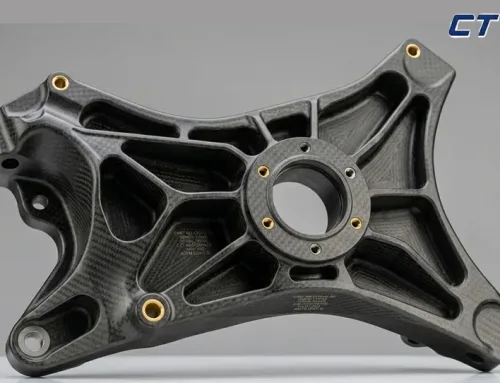
The main frame is the backbone of a drone. It must be both lightweight and torsionally rigid, as it supports the entire propulsion system, flight controller, sensors, and payload.
Key design and machining requirements for drone frames include:
- Flatness and Parallelism: Ensures stability during flight; deviations can cause flight controller misalignment or sensor errors.
- Vibration Damping: Geometry and material must minimize resonance and vibration propagation from motors to sensors.
- Weight Optimization: Strategic use of material pockets, ribbing, and wall thinning — often requiring high-precision CNC contouring.
- Modularity and Assembly Precision: Mounting holes, slots, and tabs must maintain tight tolerances to enable easy assembly and repeatability across units.
- Strength-to-Weight Ratio: Often requires high-grade aluminum (7075-T6) or titanium for balance between stiffness and mass.
We use 5-axis CNC machining to produce monolithic or sectional drone frames with minimized assembly steps and improved rigidity.
2. Other Critical UAV Component Requirements
Each mechanical part in a drone plays a unique role — and comes with its own machining and material challenges:
▪️ Motor Mounts
- High concentricity and tight circular tolerances are essential to ensure rotor stability and reduce vibration.
- Material should resist fatigue from rotational stress; often made with 7075 aluminum or Ti-6Al-4V.
▪️ Gimbal Brackets
- Require very fine surface finishes to avoid introducing mechanical noise to stabilization systems.
- Must be dimensionally consistent to align precisely with camera or sensor axes.
▪️ Battery Trays
- Must combine lightweight structure with impact resistance.
- Often include machined heat-dissipation features or mounting slots for Velcro/locking clips.
▪️ Landing Gear
- Needs to absorb shocks while minimizing weight; may include complex geometries like curves, reinforcements, or cutouts that require multi-axis machining.
- Anodized aluminum is commonly used for corrosion and wear resistance.
▪️ Fasteners & Connectors
- Often require custom geometries, such as undercut heads or non-standard thread profiles.
- Titanium and stainless steel are common for high strength and corrosion resistance.
Precision & Surface Requirements
Drone parts are not just about structural strength — they also demand:
- Tight tolerances: ±0.01 mm or better in mating areas
- Consistent thickness: Important for aerodynamic balance
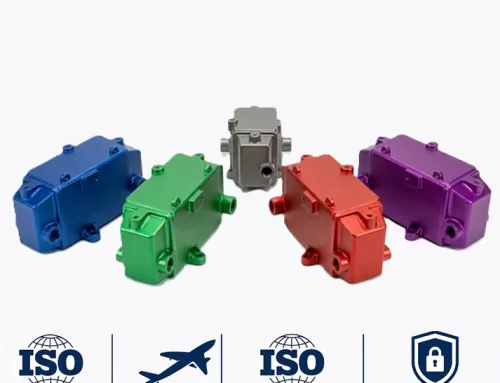
- Surface treatments: Anodizing, bead blasting, or chemical film for corrosion and wear resistance
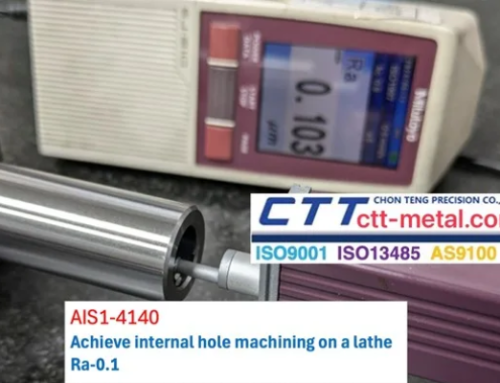
- Deburring and edge rounding: Especially critical on frames and gimbal brackets to avoid cable damage or stress risers
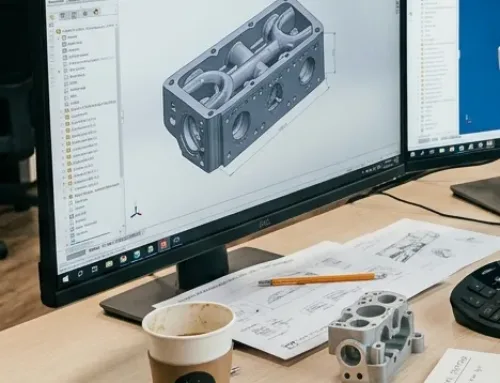
Our machining process integrates CAM-optimized toolpaths, real-time inspection, and automated finishing, ensuring every part meets both functional and visual expectations.

Why CNC Machining is Ideal for Drone Structural Parts
CNC (Computer Numerical Control) machining is the preferred manufacturing method for precision UAV components, particularly when small batch sizes, high customization, or tight tolerances are required.
Key Advantages of CNC Machining for UAV Applications:
- High Dimensional Precision — Ideal for tight-tolerance parts such as motor mounts or bearing housings
- Design Flexibility — Complex geometries and 3D contours can be produced with 5-axis machining
- Rapid Prototyping — Accelerates product development without costly tooling
- Material Versatility — Suitable for aluminum, titanium, magnesium, stainless steel, and more
- Consistency and Repeatability — Critical for modular designs and interchangeable components
- Post-Processing Options — Surface finishing, anodizing, bead blasting, and coatings available
With 5-axis CNC capabilities, even intricate parts such as gimbal brackets or multi-functional frames can be produced in a single setup, reducing assembly complexity and improving structural integrity.
Lightweight Metal Materials: A Comparison
Achieving a balance between weight, strength, and durability starts with material selection. Here’s a comparison of the most widely used metals for drone applications:
Aluminum Alloys
Popular Grades: 6061-T6, 7075-T6
Features:
- Excellent strength-to-weight ratio
- High corrosion resistance
- Very machinable and cost-effective
Applications: Arms, frames, motor mounts, enclosures
Highlight: 7075-T6 offers near-steel strength at just one-third the density.
Titanium Alloys
Popular Grade: Ti-6Al-4V
Features:
- Exceptional tensile strength and fatigue resistance
- High corrosion and heat resistance
- Low weight and excellent performance in dynamic loading
Applications: Fasteners, structural supports, gimbal brackets
Highlight: Ideal for parts that demand both lightweight and load-bearing capacity.
Magnesium Alloys
Features:
- Ultra-lightweight — 33% lighter than aluminum
- Easy to machine
Applications: Non-critical components such as housings, guards, and enclosures
Consideration: Requires surface treatment to enhance corrosion resistance
Tip: The optimal material varies by application. For example, long-endurance drones may prioritize magnesium, while delivery drones may benefit from high-strength aluminum arms.
Our Manufacturing Capabilities: Precision Meets Reliability
We specialize in CNC machining of aerospace-grade metal parts, and we bring this precision and reliability to the UAV industry. From small consumer drones to industrial-grade autonomous platforms, our solutions are designed for high-performance environments.
What Sets Us Apart:
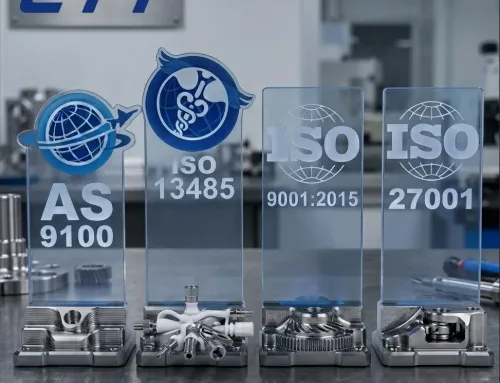
- AS9100 & ISO 9001 Certified Manufacturing System
- Advanced 5-Axis CNC Machining Centers
- Support for Hybrid Manufacturing: CNC + Casting + Forging
- Material Expertise: Aluminum 7075/6061, Ti-6Al-4V, magnesium alloys
- CMM & Optical 3D Quality Inspection
- DFM (Design for Manufacturing) & Prototyping Support
With over XX years of experience serving aerospace and advanced manufacturing sectors, we understand the critical balance between lightweight construction, cost-effectiveness, and functional reliability.
Case Study: Custom Battery Mount for a Commercial Drone
Client: Aerial Mapping Solution Provider
Requirement: Lightweight battery tray with integrated cooling features and tight tolerance on mounting holes
Solution:
- Material: 6061-T6 aluminum
- Process: 5-axis CNC machining + black anodizing
- Features: Integrated ventilation slots, countersunk fastener holes, ±0.01mm tolerance
Outcome: - Reduced battery tray weight by 25%
- Improved thermal management by 40%
- Shortened development time by 3 weeks
Our agile process helped the client move from concept to pilot production in less than 30 days.
Final Thoughts: Lightweighting Starts with Engineering
The future of drones is lighter, smarter, and more efficient — and that future begins with the right component strategy. Whether you’re developing UAVs for surveying, logistics, agriculture, or infrastructure inspection, choosing the right materials and the right manufacturing partner is key to success.
With our aerospace-grade processes and UAV-specific knowledge, we help clients reduce weight, boost strength, and accelerate development — all while maintaining the highest standards of quality and consistency.
Get in Touch: Build Smarter with Precision Metal Components
Looking to optimize your drone’s performance through better structural parts? We’re here to help with:
- Lightweight aluminum or titanium CNC components
- Custom one-off or low-volume production runs
- Design consultation and DFM advice
- Material sourcing and hybrid process integration