Beyond Tolerance: Ensuring Performance in Aluminum Optical Housings
Most aluminum housing issues don’t come from design — they come from manufacturing.
In machine vision camera applications, precision is not only about tolerance.
It’s about whether your product can perform consistently in real-world conditions.
Optimizing CNC Machining Aluminum for Precision Optical Housings
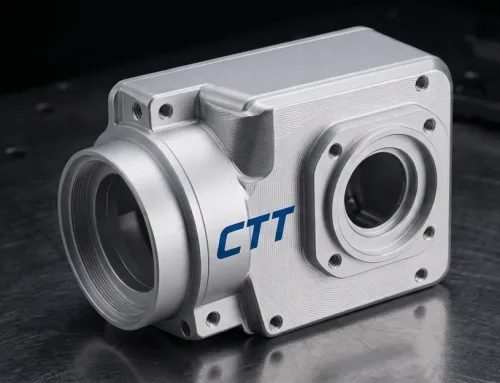
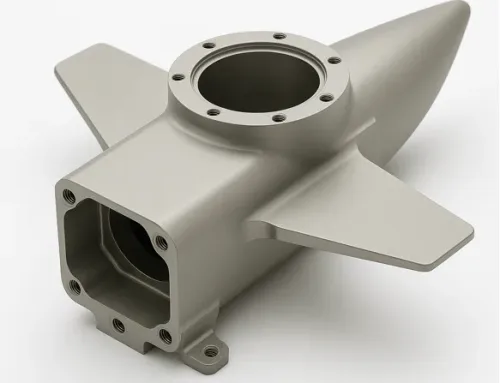
In the high-stakes world of machine vision and aerospace imaging, the structural integrity of an optical housing is just as critical as the sensors it protects. True precision is not merely a set of numbers on a data sheet; it is the ability of a component to perform consistently under real-world operational stresses.
At CTT, we have observed that the most significant hurdles in optical housing projects often arise not from the design itself, but from the complexities of the manufacturing phase.

Overcoming Manufacturing Challenges in Thin-Walled Aluminum Machining
Manufacturing high-performance Optical Housings requires a deep understanding of material behavior. When engineers specify CNC machining aluminum for these intricate components, they typically face three critical challenges that only a seamless integration with Aluminium Die Casting can truly resolve:
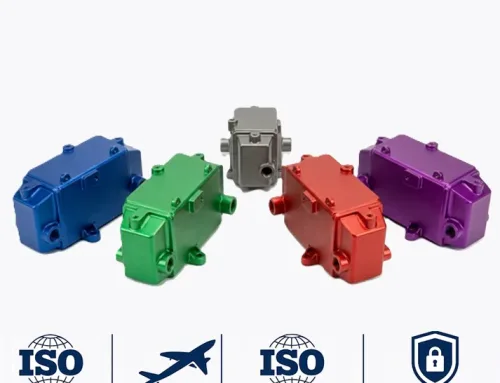
Anodizing Inconsistency:Even when dimensions are within spec, surface variations can lead to rejection—especially for high-end industrial camera systems where light-shielding and aesthetics are paramount. |
|---|
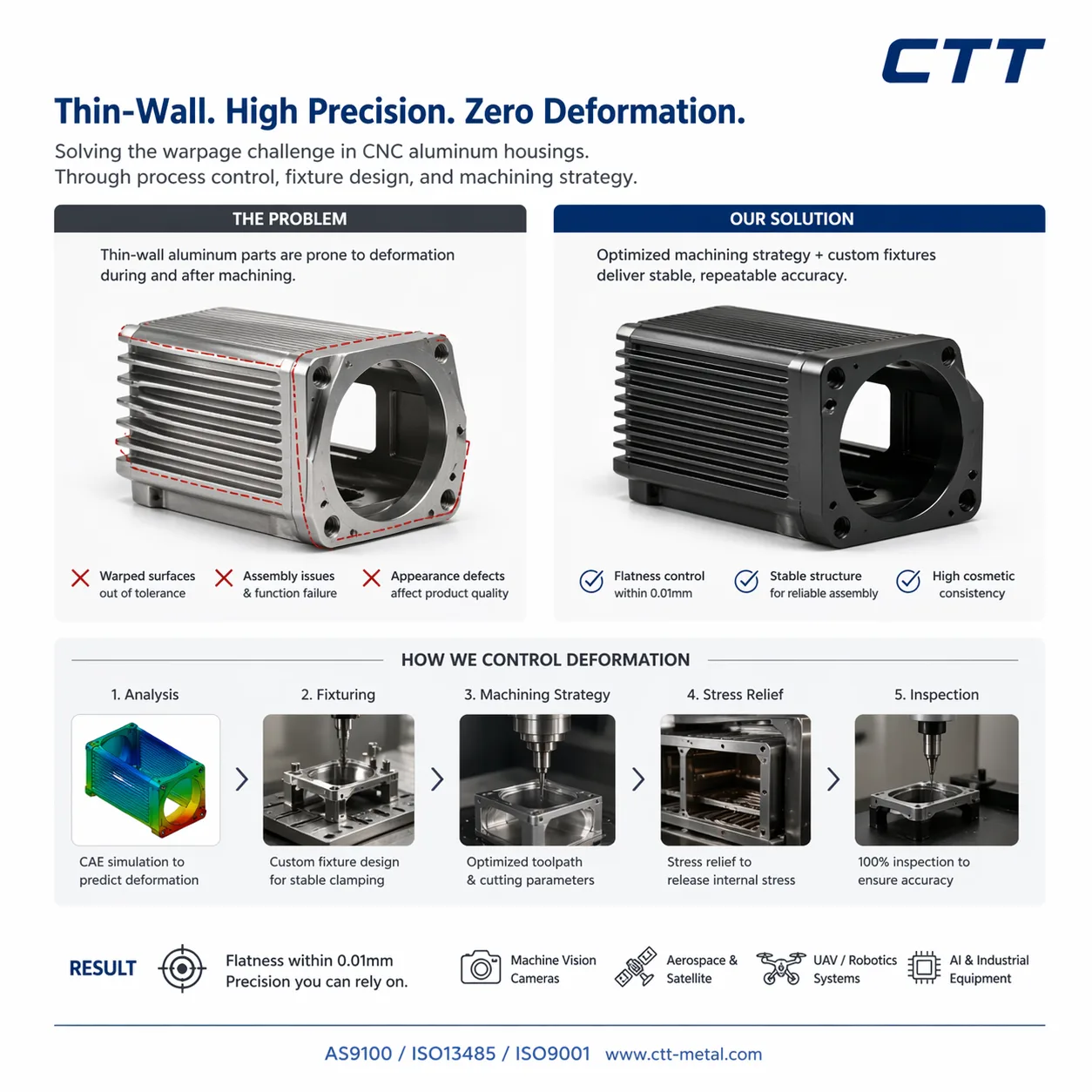
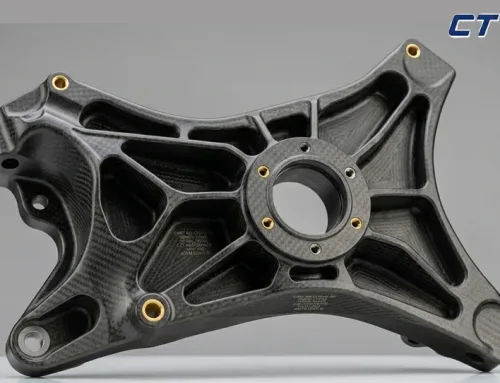
Thin-Wall Deformation:While lightweighting is essential for modern aerospace and UAV applications, aluminum is prone to stress-induced warping. Without expert management of the CNC machining aluminum process, thin walls can deflect, compromising assembly flatness and long-term stability. |
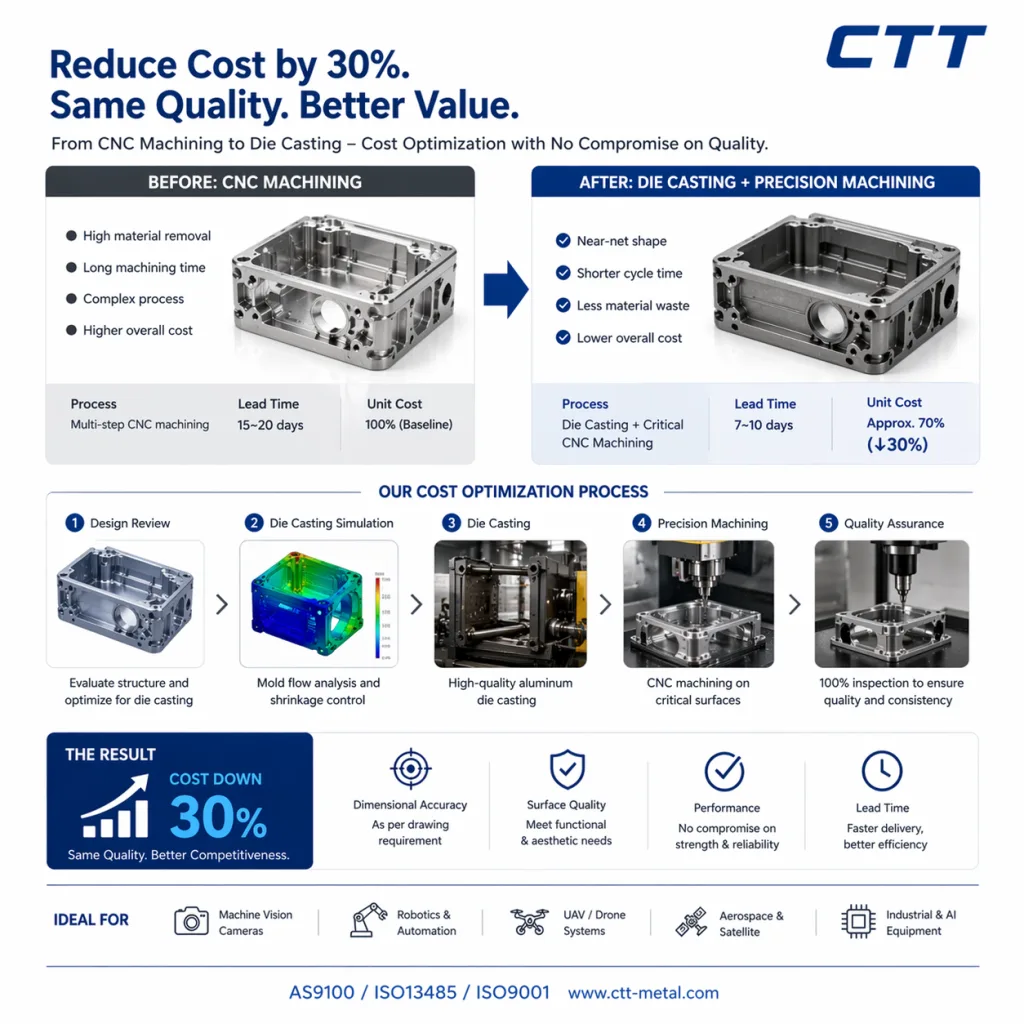
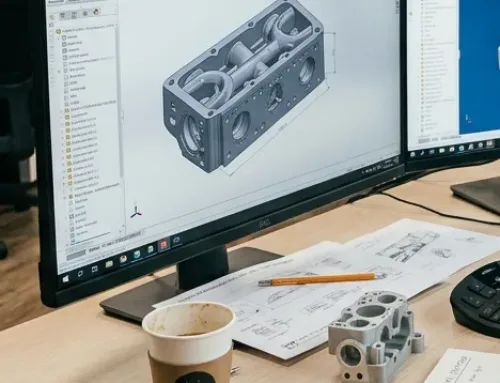
Balancing Precision and Cost:While full-scale CNC machining ensures extreme accuracy, it may not always be the most cost-efficient path for medium to high-volume production. |